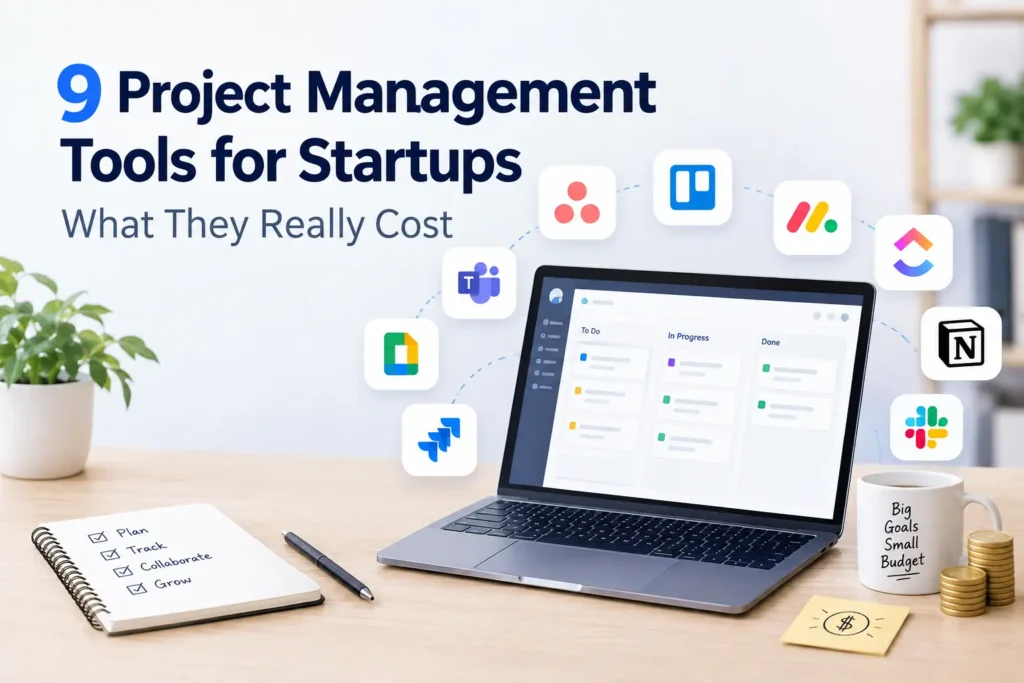
Prices checked in September 2026. Prices change a lot, so check the company’s website too. Picking a project management tool is like picking the right box to keep your toys in. Too small a box, and toys fall out everywhere. Too big a box, and you waste space (and money) you didn’t need to spend. […]
How Excessive Email Notifications Hurt Productivity
Excessive email notifications hurt productivity because each one triggers a forced context switch. Getting back to full focus takes far longer than the interruption itself. UC Irvine research puts the average recovery time above 23 minutes, so a few pings an hour can wipe out most of a focused work session. If you are learning […]
Why You Need SOP Management to Avoid Losing Data in Drive, Email, and Slack
SOPs get lost between Google Drive, Slack, and email because none of those three tools were built to be a system of record. Drive holds files, Slack holds conversations, and email holds messages, and a process that lives across all three at once effectively lives nowhere. The fix is SOP management software: a single place […]
Why Managers Need Visibility Into Team Activity
You ask “how’s it going?” in Slack. Someone replies, “Good, on track.” Yet three days later you find out the project’s two weeks behind, and nobody flagged it, because nobody thought to. That’s the visibility problem in one exchange. Not a lack of tools. Not a lack of trust, necessarily. Instead, it’s a gap between […]
Best Project Management System (2026): How to Choose the Right Software for Your Team
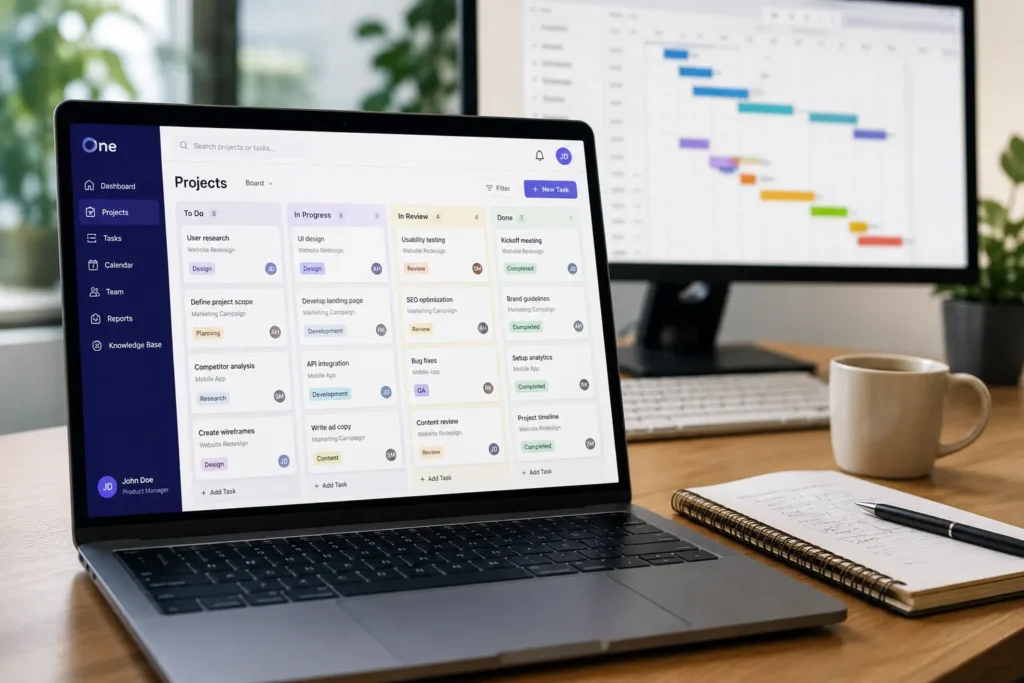
The best project management software in 2026 isn’t a single tool; it’s whichever platform matches your team’s workflow, budget, and technical needs closely enough that people actually use it. I’ve spent the last three-plus years testing, implementing, and writing about PM tools for teams ranging from three-person agencies to 200-person product org, including hands-on time […]
Top 10 project management mistakes in digital agencies
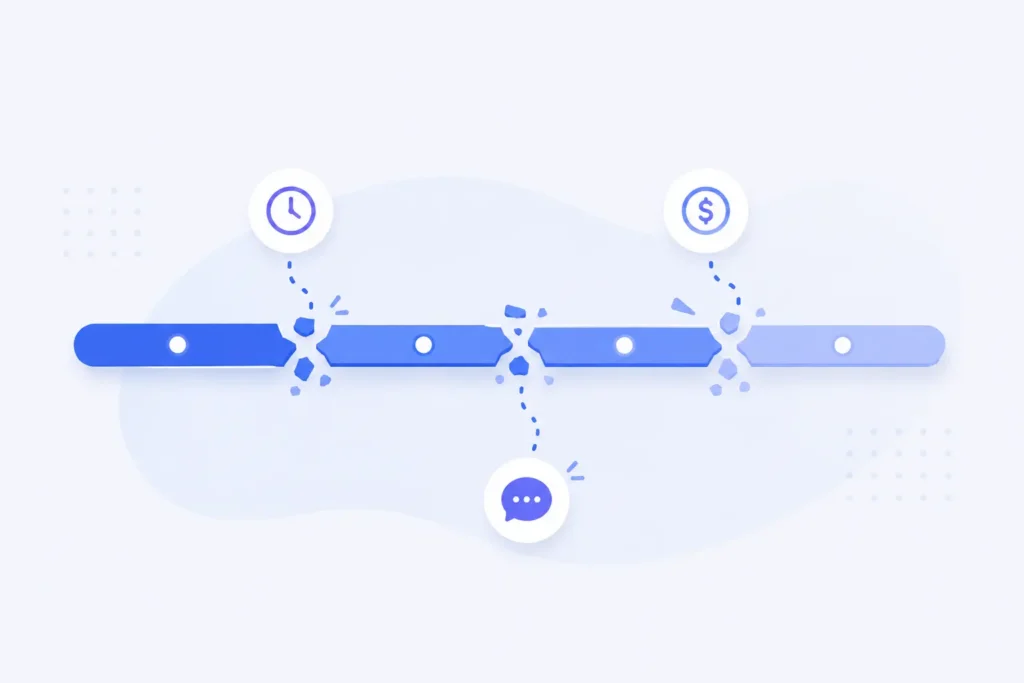
Digital agencies rarely lose money over weak creative work. They lose it to ten recurring mistakes: no single source of truth for status, no PM software, unchecked scope creep, account managers doubling as PMs, gut-feel estimating, treating every client as equally urgent, skipping kickoffs, blind spots on capacity, no post-project reviews, and picking tools by […]
How Teams Can Connect Projects, Tasks, Events, and Knowledge All in One Project Management Software
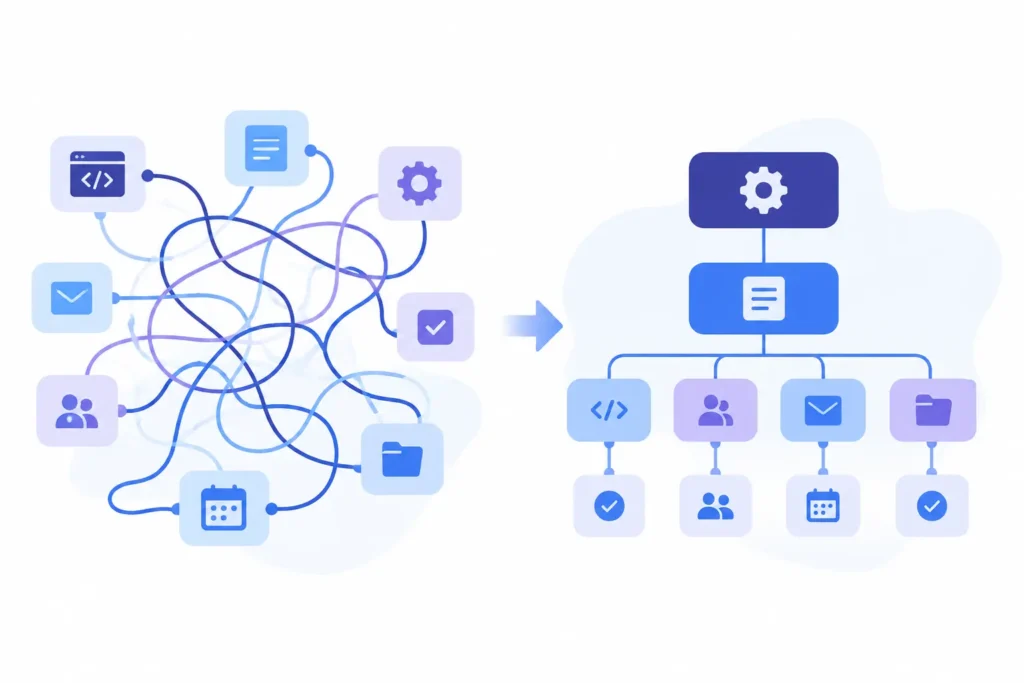
Teams connect projects, tasks, events, and knowledge by using a single workspace where each of these pieces links directly to the others, rather than existing as four separate systems a person has to check individually. In practice, that means a task lives inside its project, a meeting on the calendar links back to the task […]
How Organizations Should Structure Teams and Sub-Teams
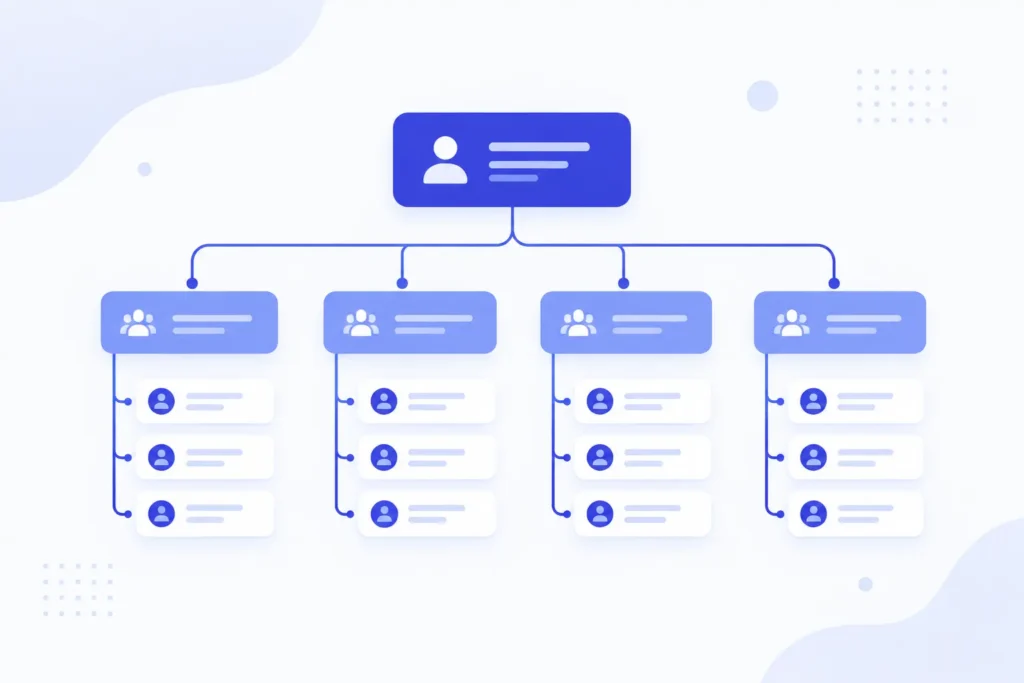
Organizations should structure teams and sub-teams around how work actually flows, not around an org chart drawn for its own sake. In practice, that means grouping people by function when the work is specialized and repeatable, by product or project when ownership and speed matter most, and always keeping sub-teams small enough that a handful […]
How to Standardize SEO and Web Development Workflows With Workflow Automation
You can standardize SEO and web development workflows with workflow automation by turning the recurring, repeatable parts of the work- site audits, on-page changes, content publishing, deployments, client reporting- into defined steps with clear triggers, owners, and hand-offs, so the process runs the same way every time regardless of who’s doing it. Workflow automation isn’t […]
Why Task Templates Save Repetitive Work (And What Belongs in a Good One)
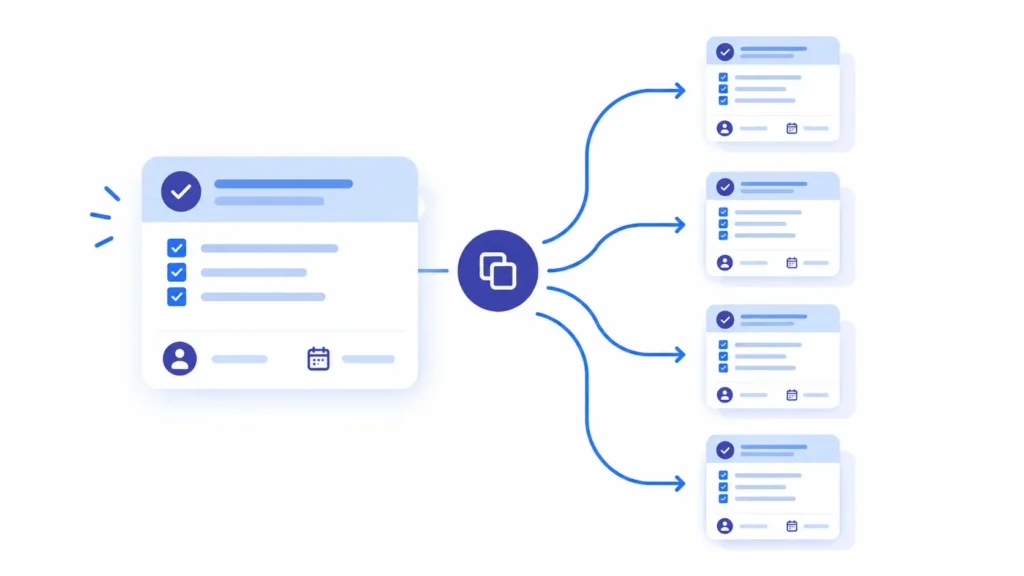
A task template saves repetitive work by turning a task you’ve already set up once- its checklist, assignee pattern, deadlines, and required fields- into a reusable structure you apply again instead of rebuilding from scratch every time. Instead of re-typing the same subtasks, re-assigning the same roles, and re-explaining the same requirements on every recurring […]